A railroad grade, an old family story, a name on a military record—each can tell us something about the people who lived here before us. This month, two local heritage programs invite us to look more closely at those stories and the people who have spent years preserving them.
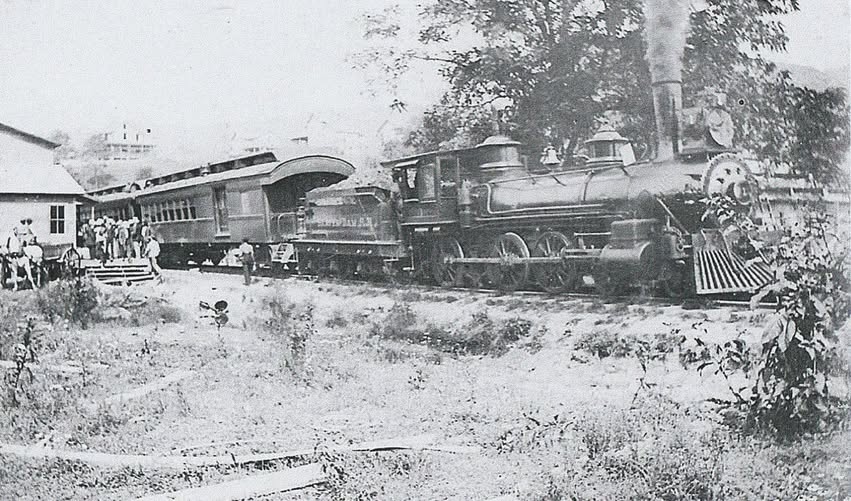
On Sunday, September 20, the Johnson County Historical Society will host author and researcher Doug McGuinn for a presentation on Johnson County’s railroads. McGuinn has done extensive research on the subject, including the Beaver Dam Railroad and the Crandull and Shady Valley Railway.
Railroads were once part of the daily workings of this county, connecting communities and helping move the products of farms, forests, and local industry. Their routes may no longer be familiar to many of us, but the names and stories remain part of Johnson County’s heritage. McGuinn’s lecture offers an opportunity to learn more about that chapter of our past from someone who has devoted considerable time to researching it.
A retired community college instructor who lives in Boone, North Carolina, McGuinn is the author of 19 books. Among them are works on the Beaver Dam Railroad, the Crandull and Shady Valley Railway, and railroading, logging, and mining in the valleys of Northeast Tennessee.
The lecture begins at 2 p.m. on the lower level of the Johnson County Welcome Center, 716 S. Shady Street in Mountain City. The Historical Society says the program will be recorded, but there will be no Zoom option.
The following weekend, the story moves farther back in time.
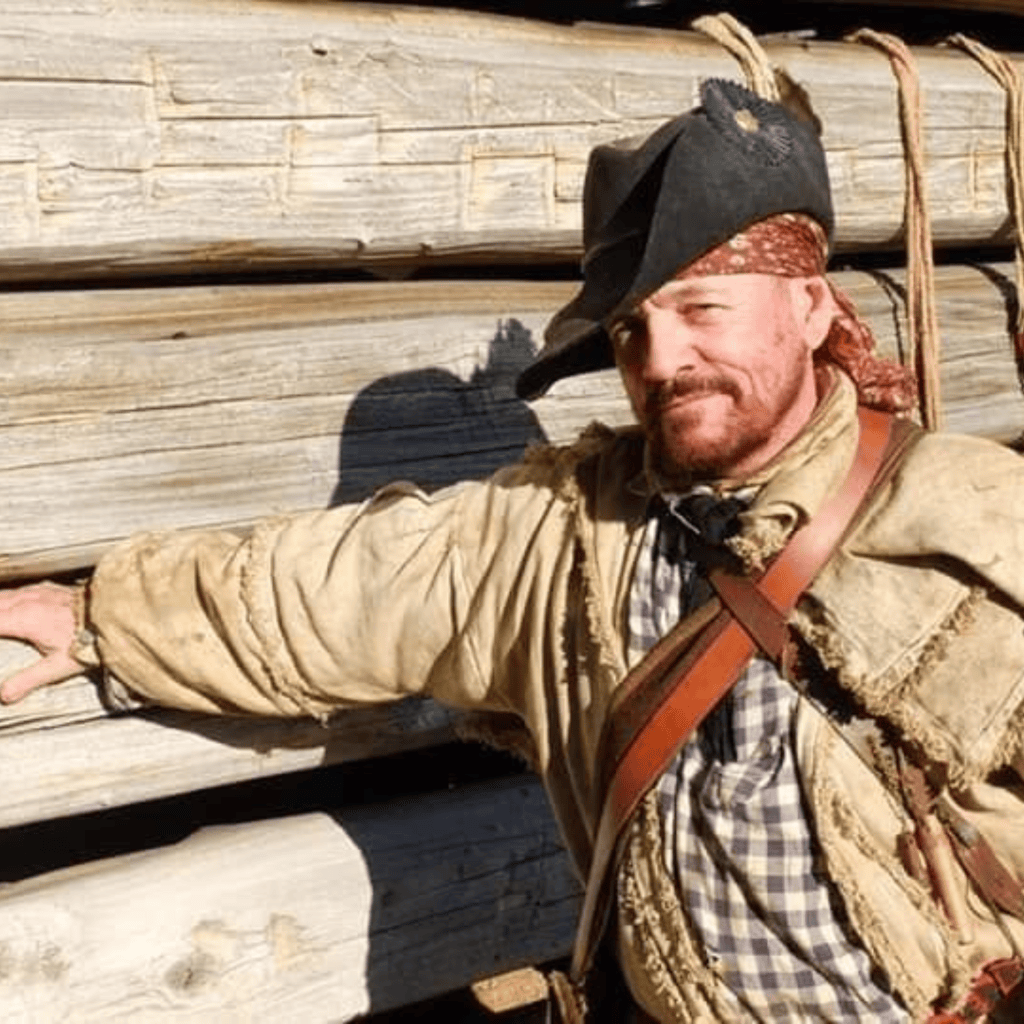
On Saturday, September 26, the Museum of Butler, TN will welcome historical interpreter Robert Rambo for its Living History Saturday series made possible by a grant through TN250. Rambo will portray his ancestor, Private Abraham Nave, an East Tennessee farmer, bear hunter, and soldier who served among Tennessee’s mounted volunteers during the War of 1812.
Nave and his wife, Mary, raised 15 children near Elizabethton in the community once known as the Neck, later called Siam. Family stories remember a man who worked the land and hunted bear in the mountains. His military service places him within the broader story of the East Tennessee volunteers who traveled south during the War of 1812.
Rambo brings a personal connection to that history. Through period interpretation and stories passed down by Nave’s descendants, he will help visitors meet Abraham as more than a name on a muster roll—as a husband, father, farmer, and East Tennessean whose life reached from a mountain community to events far beyond it.
The Museum of Butler opens at 11 a.m., so visitors can explore its exhibits before the Living History Saturday presentation from noon to 2 p.m. The museum is at 123 Selma Curtis Road in Butler. The program is included with regular museum admission: $5 per person, with children under 12 admitted free. Blue Star families are welcome to attend for free.
Read more about the Abraham Nave program.
One program follows the rail lines that helped connect our communities. The other follows the life of a man whose family roots still connect his story to this region.
Both are reminders that local history is still here for us to discover—and that it takes people willing to research, remember, and share it.
The Museum of Butler, TN project is funded under an agreement with the State of Tennessee and administered by the Tennessee Commission for the United States Semiquincentennial.

